Identifying Old Furniture Styles in Poland
A practical reference for recognising historical periods, construction methods, and regional characteristics of antique furniture found across Poland — from the Baroque era to the early twentieth century.
Articles
Periods and Methods
Each article focuses on a specific historical period or identification technique, drawing on observable details rather than general overviews.

Polish Baroque Furniture: Identifying 17th and 18th Century Pieces
The Gdańsk cabinet, Sarmatian ornamentation, and the distinction between imported Western forms and locally adapted versions.
Read article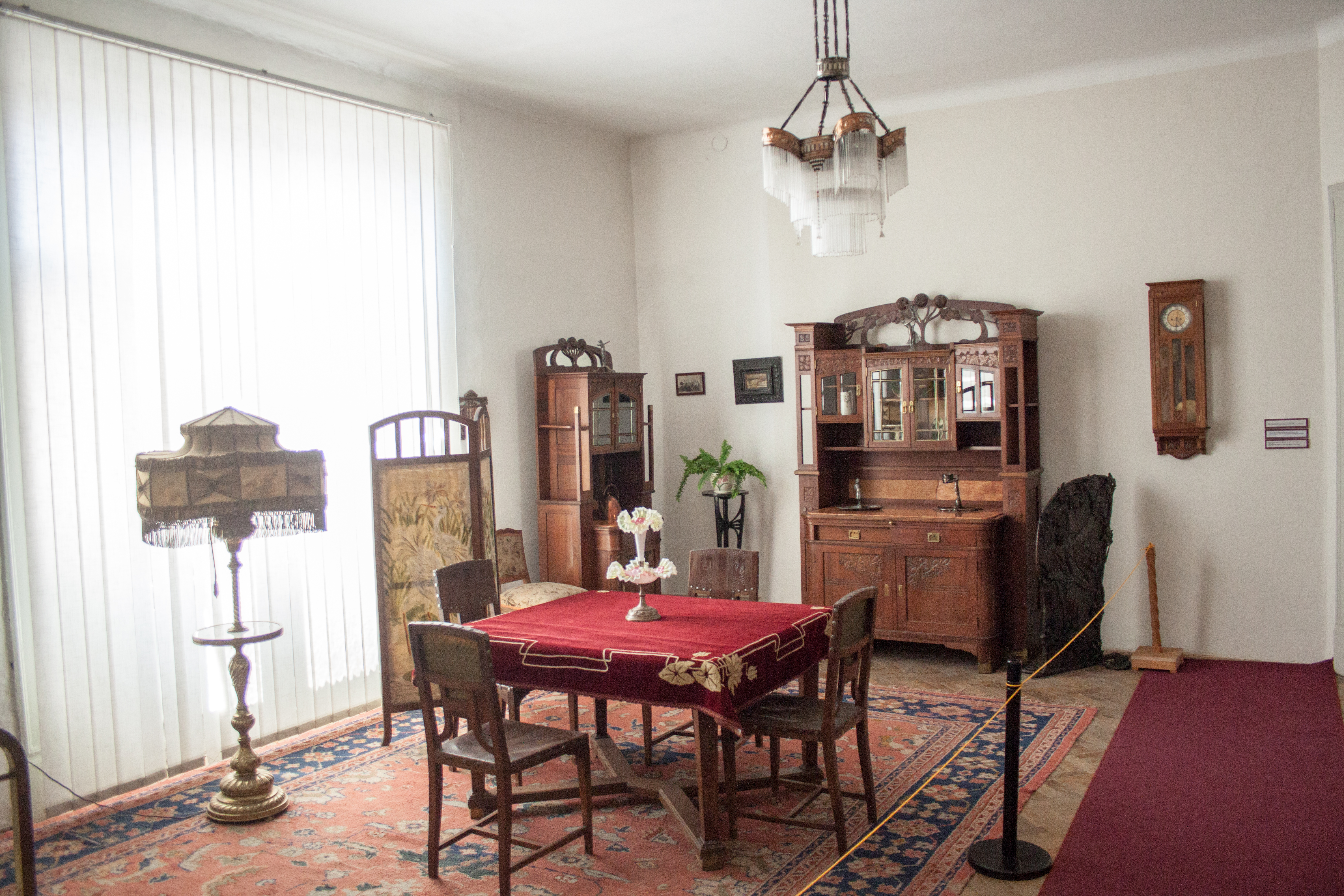
Art Nouveau and Secession Furniture in Poland (1890–1914)
The Zakopane style, Viennese Secession influence, and the furniture workshops of Kraków and Warsaw during the Young Poland movement.
Read article
How to Date Antique Furniture by Construction Methods
Reading wood joints, screws, veneer thickness, and tool marks to determine whether a piece predates or postdates industrial manufacturing.
Read articleAbout This Guide
What This Site Covers
VintaVaVin covers furniture found in Poland — in estate sales, antique markets, and private homes. The information is descriptive, focusing on observable characteristics rather than financial valuation.
The guide draws on physical details: proportions, joinery, hardware, surface treatments, and stylistic elements that are visible without specialist equipment.

Scope
Three Periods, One Country
c. 1640–1780
Polish Baroque
Characterised by the Gdańsk cabinet tradition, heavy carved ornamentation, dark walnut or ebony-veneered oak, and the regional Sarmatian aesthetic that distinguished Polish production from Western European contemporaries.
c. 1815–1850
Biedermeier in Poland
Light fruitwood construction, restrained ornamentation, and functional forms that spread across the German-speaking lands and the territories under Prussian and Austrian influence, including Poznań, Wrocław, and Lwów.
c. 1890–1914
Art Nouveau & Secession
Poland's response to the pan-European movement produced two distinct strands: the Zakopane style rooted in Tatra highland folk art, and the urban workshop tradition of Kraków and Warsaw influenced by Vienna and Munich.