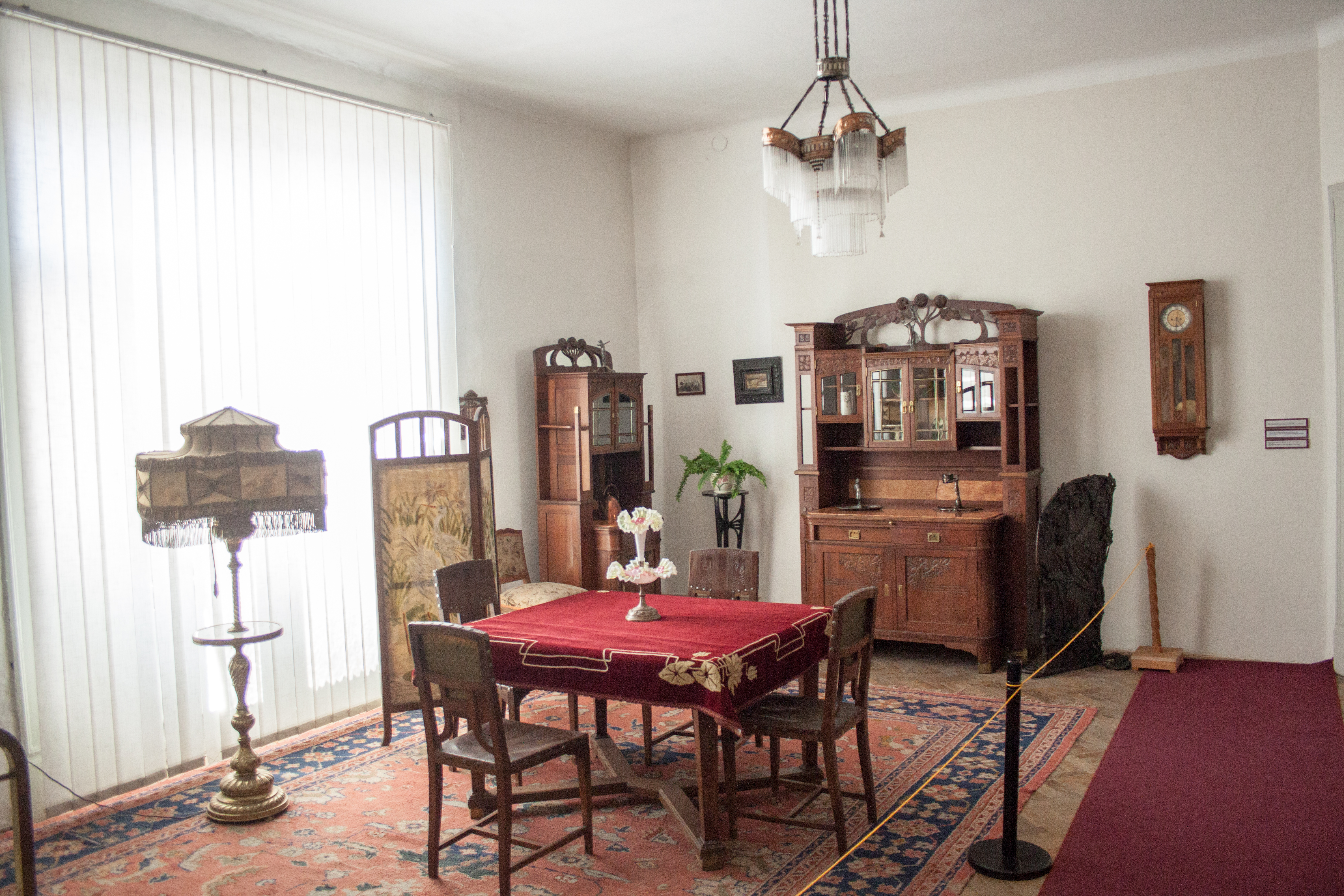
The period from roughly 1640 to 1780 saw the production of the most recognisable forms of Polish domestic furniture. These pieces were made primarily for the szlachta (nobility) and for wealthy merchant families, particularly in Gdańsk, Poznań, and Kraków. Identifying them requires attention to form, ornament, material, and construction — each of which carries period-specific signals.
The Gdańsk Cabinet Tradition
The most documented Polish Baroque furniture type is the szafa gdańska — the Gdańsk cabinet or wardrobe. These large case pieces were produced in the Gdańsk workshops from approximately the mid-seventeenth century through the early eighteenth, drawing heavily on Dutch cabinetmaking but adapting it to Polish taste and the availability of Baltic oak.

The szafa gdańska is typically identified by the following structural features: a two-door upper section with deeply projecting cornice mouldings, a shallow lower section with two to four drawers, bun feet or bracket feet in walnut, and carved figural or floral panels on the door fronts. The overall proportions are vertical and weighty — much heavier in visual mass than contemporary French or Italian equivalents.
Key visual characteristics
- Pronounced broken or segmented pediment at the top, often with a central cartouche
- Door panels carved in high relief: acanthus scrolls, cherub heads (putti), and fruit swags
- Ebonised mouldings or ebony veneer strips contrasting with lighter walnut or oak surfaces
- Brass drop handles with oval backplates, sometimes cast in foliate or mask designs
- Secondary structure in Baltic pine, visible inside drawers and at the back
Sarmatian Ornamentation
Sarmatism was a cultural ideology widespread among the Polish-Lithuanian szlachta from the late sixteenth century onward. It held that the Polish nobility descended from the ancient Sarmatians, and it generated a visual culture that prized elaborateness, bold colour, and martial symbolism. This ideology directly shaped furniture production.
Pieces made for Sarmatian households often incorporated heraldic motifs — shields, helmets, crossed swords — alongside the pan-European acanthus ornament. Upholstered chairs with high carved backs were common, frequently covered in red or crimson wool or leather. The carved details on chair backs sometimes included portrait medallions or armorial bearings specific to the commissioning family.
Distinguishing Polish from Western European Baroque
- Polish Baroque uses more carved wood relief and less gilded gesso than French or Italian contemporaries
- Ebonised elements appear more frequently than full gilding
- Forms are generally heavier and more upright — a vertical emphasis rather than the horizontal spread of French Baroque
- Local oak (dąb) and walnut (orzech) dominate; exotic veneers appear mainly in Gdańsk export pieces
- Chests (skrzynie) remained common household objects longer than in Western Europe, often with painted interiors and iron hardware
Construction Details and Dating Indicators

Construction method is one of the most reliable dating tools. Polish Baroque furniture predates mechanised woodworking by more than a century, so all joints are hand-cut. The following indicators are useful when examining a piece:
Joinery
Mortise-and-tenon joints secured with wooden pins (kołki) are standard in the main carcass. Drawer sides are joined to the front with hand-cut dovetails; the tails are wide and irregular in spacing — a consistent feature of pre-industrial work. The back panels of case furniture are typically made from several narrow boards, edge-butted or tongue-and-grooved, rather than a single wide panel.
Hardware
Iron and brass hardware was hand-forged or hand-cast throughout this period. Screws, when present, have irregular thread pitches and off-centre slots — features of hand-filing rather than machine cutting. The majority of carcass joinery in seventeenth-century pieces uses wooden pins with no metal fasteners at all. Iron hinges are typically hand-wrought with hammered surfaces rather than the smooth finish of later machined hardware.
Wood surfaces
Finishing in this period relied on oil, wax, or shellac-based preparations. Surfaces show tool marks from hand planes, visible under raking light. Where veneer is present — most common on Gdańsk export pieces — its thickness is typically 2–4 mm, cut with a handsaw rather than later mechanical slicing equipment.
Regional Variations
While Gdańsk dominated the production of large prestige case furniture, other regions had distinct traditions. Kraków workshops, influenced by Italian craftsmen active at the Wawel Royal Court in the sixteenth century, produced inlaid tables and cabinets with geometric intarsia. Poznań and the Greater Poland region, under stronger German influence, produced furniture closer to the Nuremberg and Augsburg models, with less of the Dutch heaviness characteristic of Gdańsk work.
In the eastern territories of the Commonwealth — present-day Ukraine and Lithuania — furniture production mixed Polish, Russian, and Ottoman elements. Chests and trunks from these areas often show painted decoration and iron strap hinges of a type more common in Eastern Europe than in the western parts of Poland.
Where to Examine Authentic Examples
The most accessible public collections of Polish Baroque furniture are at the Muzeum Narodowe w Warszawie, which holds examples of Gdańsk cabinet production alongside court furniture; the Muzeum Narodowe in Gdańsk, which has the most concentrated collection of szafy gdańskie; and the Royal Castle in Warsaw, where pieces from the period are displayed in period room settings that provide context for scale and proportion.